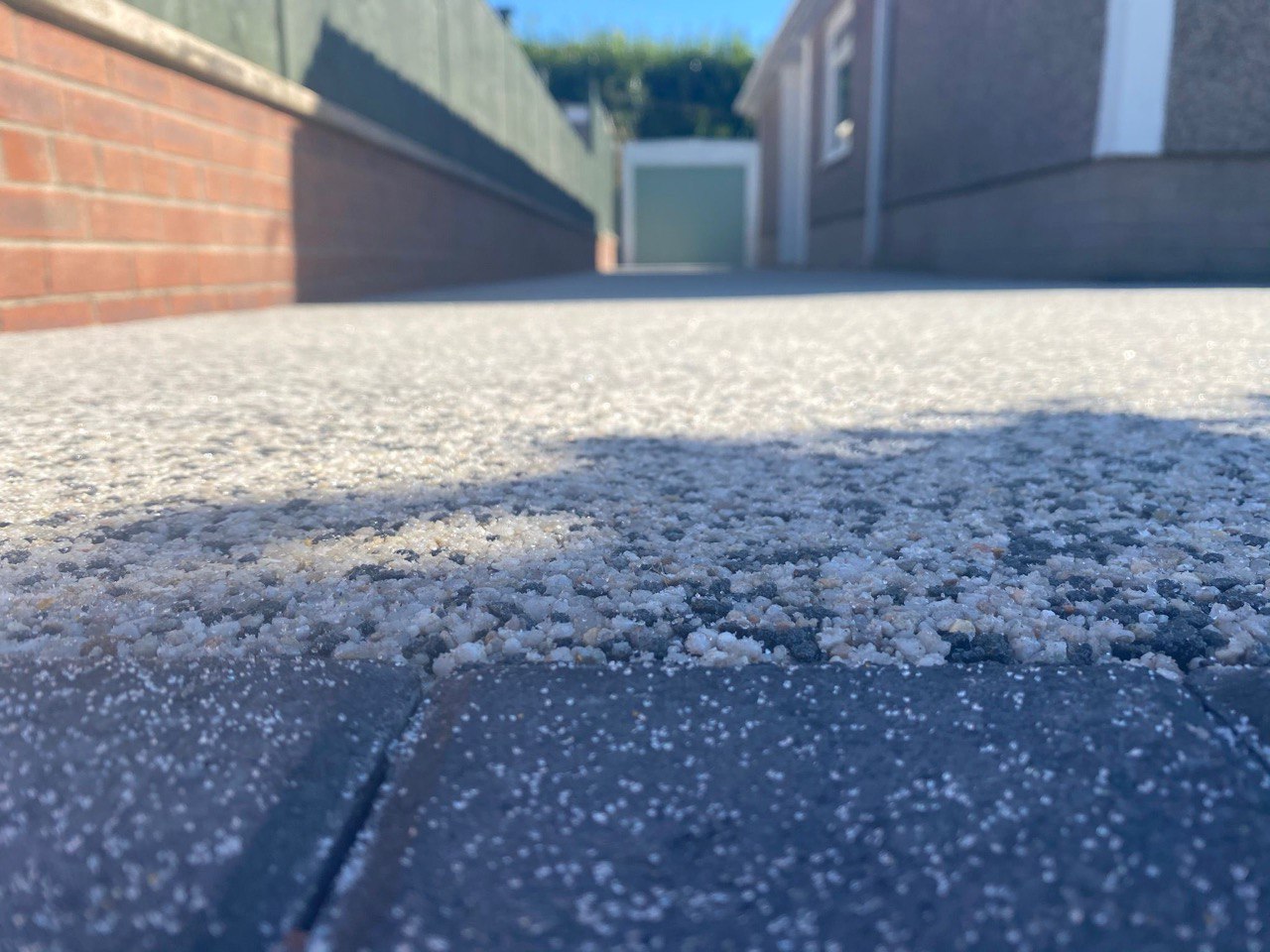
Why Choose Block Paving for a New Driveway?
A new driveway should provide dependable vehicle access while complementing the appearance and layout of the property. Block paving is a popular choice because it combines practical performance with considerable design flexibility. Individual paving blocks can be arranged in different patterns, colours and borders to create a surface suited to both the property and its everyday use.
For homeowners in Whitstable, Kent, the long-term success of a block-paved driveway depends on more than the blocks themselves. Careful excavation, a well-compacted sub-base, effective drainage and secure edge restraints are all essential to creating a stable and attractive finish.
The Practical Benefits of a Block-Paved Driveway
Block paving is a versatile driveway surface that can be tailored to different property styles and access requirements. When professionally installed on suitable foundations, it provides a durable surface capable of supporting regular vehicle and pedestrian use.
Unlike a continuous surface, block paving consists of individual units bedded and restrained as part of a complete construction system. This allows loads to be distributed across the driveway while making local maintenance more manageable.
A Wide Choice of Designs and Finishes
One of the main advantages of block paving is the range of design options available. Blocks can be selected in different sizes, shapes, colours and surface textures, allowing the driveway to either complement or contrast with the property.
Borders can define parking areas, entrances and pathways, while contrasting blocks may be used to highlight steps or changes in direction. Popular laying patterns can also influence how the finished driveway looks and performs.
The design should remain practical as well as attractive. A professional installer can recommend a layout that suits the driveway’s dimensions, expected traffic and surrounding features.
Clear Definition of Parking and Access Areas
Block paving can be used to organise the available space effectively. Changes in colour, pattern or orientation can distinguish parking bays from pedestrian routes without introducing separate surface materials.
This is particularly useful where a driveway connects with a front path, entrance or turning area. A clearly planned layout can make the space easier to navigate while providing a coordinated appearance.
Strong Performance When Properly Installed
A block-paved driveway can withstand regular vehicle use when supported by correctly prepared foundations. The sub-base spreads loads across the ground, while the laying course provides a consistent bed for the paving.
Jointing material helps the blocks work together, and edge restraints prevent them from spreading under traffic. If any of these elements are inadequate, the surface may begin to settle, move or develop uneven joints.
Quality installation therefore involves considerably more than arranging blocks on the ground. The strength of the completed driveway comes largely from the construction beneath the visible surface.
Individual Blocks Can Be Replaced
If a small section becomes stained, chipped or damaged, individual blocks can often be lifted and replaced without renewing the entire driveway. This is a practical advantage over surfaces that are difficult to repair locally.
The affected area should still be assessed carefully. Sunken or moving blocks may indicate a problem within the laying course or sub-base rather than damage to the paving units themselves. Correcting the underlying cause helps prevent the same defect from returning.
Underground Access Is More Manageable
Where access to underground services is required, blocks can usually be lifted from a defined area and reinstated afterwards. Careful removal and relaying can preserve the overall appearance of the driveway more effectively than cutting through a continuous surface.
Successful reinstatement depends on reconstructing and compacting the disturbed layers correctly. Poorly prepared sections may settle later, leaving depressions or irregular joints.
Drainage Can Be Incorporated into the Design
Effective drainage protects both the driveway and its foundations. The surface should be constructed with suitable levels so that rainwater does not remain in low areas or flow towards the property.
Depending on the proposed design, drainage channels, suitable falls or permeable block-paving construction may be incorporated. Permeable paving requires a specifically designed sub-base that allows water to pass through the complete system; using permeable blocks alone is not sufficient.
Drainage should therefore be considered during the planning stage rather than added after the driveway has been laid.
Block Paving Can Suit Different Property Styles
The variety of available finishes allows block paving to work with both traditional and contemporary properties. Subtle colour blends can create a restrained appearance, while clean lines and contrasting borders can produce a more modern finish.
The surrounding brickwork, paths and entrance should all be considered when selecting the blocks. A balanced design can help the driveway look like an integrated part of the property rather than a separate addition.
What Determines the Quality of the Finished Driveway?
Several construction details influence how well a block-paved driveway performs:
- sufficient excavation for the complete driveway build-up
- a stable and thoroughly compacted sub-base
- an even laying course
- strong edge restraints
- appropriate paving blocks for vehicle use
- consistent joints filled with suitable material
- correct surface levels and drainage
- careful compaction of the completed paving
Addressing these elements properly reduces the risk of rocking blocks, open joints, wheel depressions and standing water.
Why Professional Installation Adds Value
A well-designed driveway must accommodate the shape of the site, expected vehicle movements and natural water flow. Professional installation brings these considerations together before construction begins.
At Whitstable Driveways, we assess the existing ground, access requirements and intended use of the driveway before recommending an appropriate block-paving design. This ensures that attention is given to the foundations, drainage and edge details as well as the visible finish.
Conclusion
Block paving is an excellent choice for a new driveway because it offers durability, adaptable design and the ability to carry out localised maintenance. It can also define parking and pedestrian areas clearly while complementing a wide range of property styles.
Its lasting performance, however, depends on correct ground preparation, stable foundations and effective drainage. If you are considering a new block-paved driveway in Whitstable, Kent, contact Whitstable Driveways to arrange an assessment and discuss a practical design suited to your property.
Call us on: 01227 532 697
Click here to find out more about Whitstable Driveways
Click here to complete our contact form and see how we can help with your driveways.