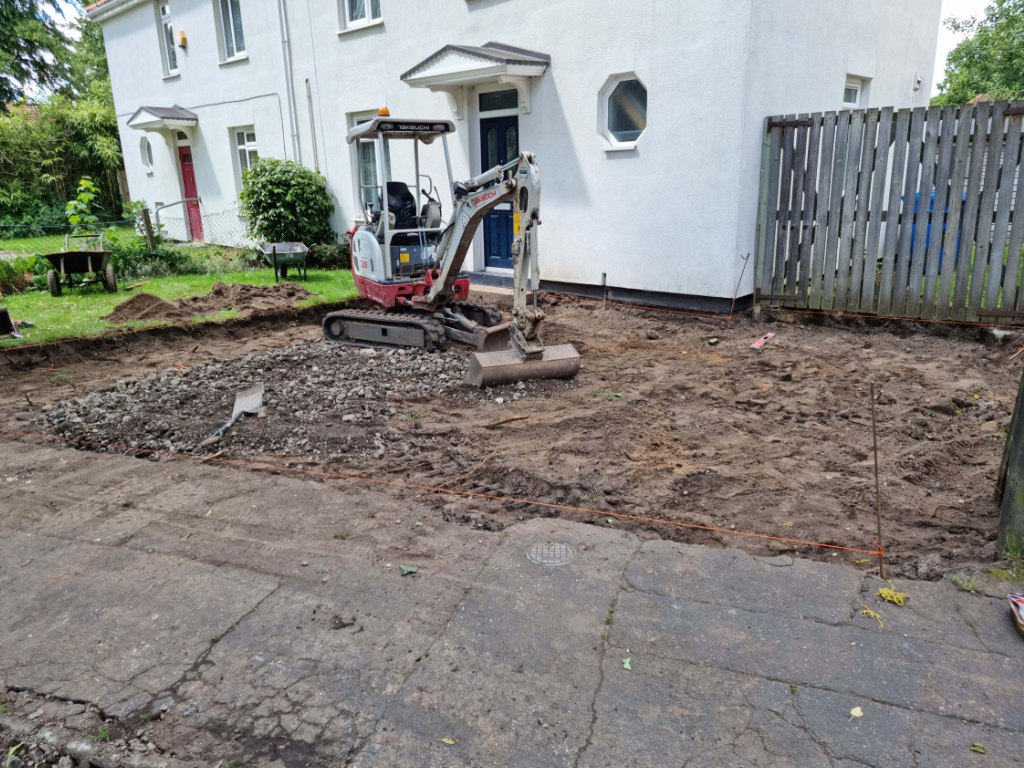
How Drainage Design Influences New-Build Tar and Chip Surfaces
When installing a new tar and chip driveway, the quality of the finished surface depends on more than the materials used. Proper drainage design is equally important because it determines how rainwater moves across and away from the driveway. Without suitable drainage, water can collect on the surface, weaken underlying materials and contribute to premature deterioration.
For homeowners planning a new driveway in Whitstable, Kent, drainage should be considered from the earliest stages of the installation. Whitstable Driveways understands that a well-designed surface needs to combine an attractive finish with practical features that support reliable everyday use.
Why Drainage Matters for Tar and Chip Driveways
Tar and chip surfacing is created by applying a binding layer, usually bitumen, before spreading stone chippings across it. The aggregate is then pressed into the binder to create a durable, textured finish.
Although the surface is designed for outdoor conditions, it still needs a properly prepared foundation and effective water management. If rainwater cannot drain away efficiently, it may collect in low areas or find its way into weaknesses within the surface.
Over time, persistent moisture can contribute to aggregate loss, surface cracking and deterioration of the supporting layers. Good drainage design helps reduce these risks and supports the long-term condition of the driveway.
Establishing the Correct Surface Gradient
One of the most important parts of drainage planning is creating suitable gradients. The driveway should be constructed with carefully considered levels so that rainwater flows towards an appropriate drainage point rather than gathering in depressions.
Even relatively small differences in ground level can influence how water moves across a driveway. If the surface is too flat or has inconsistent falls, standing water may develop after rainfall.
Before installing a new tar and chip surface, the existing ground levels should be assessed and the finished layout planned accordingly. This is particularly important where the driveway connects to a garage, entrance, pathway or other external surface.
Preventing Standing Water and Surface Deterioration
Standing water is more than an inconvenience. When it remains on a driveway for extended periods, it can increase the risk of water entering small cracks, joints or vulnerable areas.
If moisture reaches the underlying construction, it may affect the stability of the supporting layers. Vehicle movements can then place additional stress on weakened sections, potentially leading to uneven areas, loose aggregate or surface damage.
Effective drainage helps direct water away before it can contribute to these problems. It also makes the driveway easier to use following periods of heavy rainfall.
Choosing Suitable Drainage Solutions
The right drainage arrangement depends on the size, shape and position of the driveway, as well as the surrounding ground conditions. Different properties may require different approaches.
Possible solutions include:
- Linear drainage channels: These can collect surface water along entrances, garage thresholds or other vulnerable edges.
- Drainage gullies: Positioned at suitable low points, these can collect water and direct it into an appropriate drainage system.
- Carefully planned surface falls: Gradients can guide rainwater towards designated collection points.
- Suitable permeable surrounding areas: Where appropriate, these can help manage runoff as part of the wider external layout.
Drainage features should be planned as part of the complete driveway design rather than added as an afterthought. Their position and capacity need to suit the expected flow of water.
Considering Ground Conditions in Whitstable
Ground conditions influence how a new driveway should be constructed and drained. The soil, existing levels and surrounding landscaping can all affect whether water drains naturally or tends to collect in particular areas.
In Whitstable, Kent, local site conditions should be assessed before deciding on the most suitable drainage arrangement. A driveway positioned near a building, boundary or lower section of a garden may need additional consideration to prevent water from collecting in unwanted locations.
A proper site assessment helps identify potential drainage concerns before the tar and chip surface is installed.
Protecting the Foundation Before Surfacing
Drainage design and ground preparation work together. Even an attractive, correctly applied tar and chip finish may not perform well if the supporting foundation is unstable or retains excessive moisture.
The existing ground should be checked for soft spots, uneven sections and areas where water naturally gathers. The foundation must then be prepared to provide suitable support and maintain the planned drainage gradients.
Taking care at this stage helps reduce the likelihood of settlement and surface defects developing after installation.
Why Drainage Should Be Planned Before Installation
Making drainage decisions before work begins allows the driveway layout, foundation and surface levels to be considered together. This is generally more effective than trying to correct water-related problems once the finished surface is already in place.
Whitstable Driveways can assess the property’s layout, discuss the intended use of the driveway and consider how drainage should be incorporated into the new installation. This helps ensure that practical requirements are addressed alongside the appearance of the finished tar and chip surface.
Conclusion
Drainage design has a direct influence on the performance and longevity of a new-build tar and chip driveway. Correct surface gradients, suitable drainage features and proper foundation preparation all help prevent standing water and reduce the risk of premature deterioration.
For homeowners planning a new tar and chip driveway in Whitstable, Kent, careful preparation is essential to achieving a reliable result. Contact Whitstable Driveways to discuss your project and arrange a professional assessment of your driveway requirements.
Call us on: 01227 532 697
Click here to find out more about Whitstable Driveways
Click here to complete our contact form and see how we can help with your driveways.